Botox vs retinol: what each can and can't do for lines and wrinkles
Botox and retinol both get talked about for wrinkles, but they work in completely different ways. Here's what each one actually does, who it suits, and how to stay safe if you're thinking about injections.
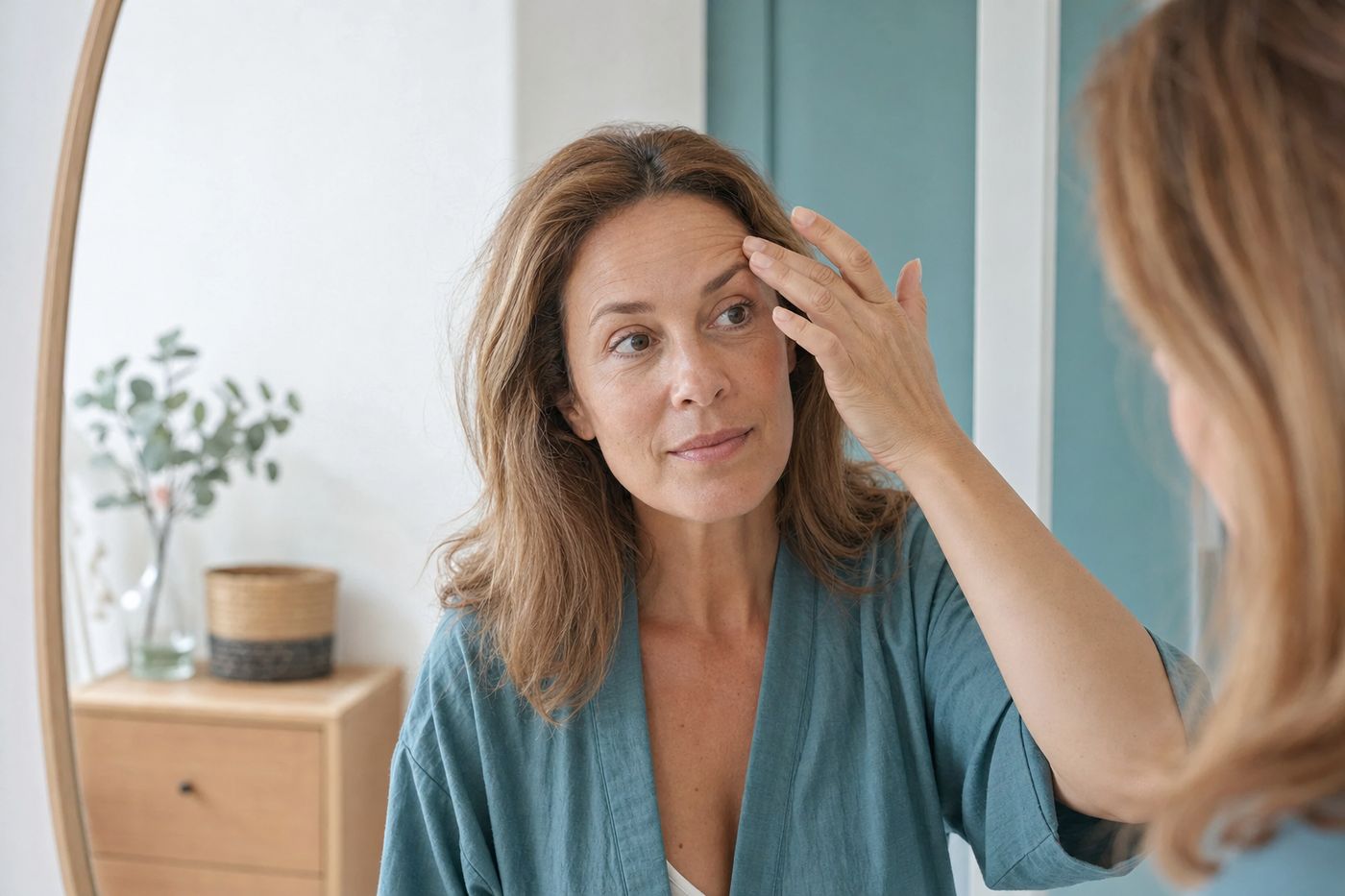
- Retinol is a skincare ingredient. It slowly improves texture, fine lines and tone over months, and you use it at home.
- Botox is a prescription-only medicine injected into muscles. It softens lines caused by movement (frown lines, forehead lines, crow's feet) for a few months at a time.
- They aren't either/or. Many people use retinol and SPF daily whether or not they have injections.
- If you're considering Botox, it must be prescribed after a face-to-face consultation, and it's illegal for anyone under 18 in England.
How retinol works
Retinol is a form of vitamin A. In the skin it speeds up cell turnover and supports collagen, so over 8 to 12 weeks and beyond you tend to see smoother texture, softer fine lines, more even tone and fewer clogged pores. It works on the skin itself, not on the muscles underneath, so it helps most with fine lines, crepey texture and sun damage. Deep lines from frowning or raising your eyebrows change less. Our retinol for beginners guide explains how to start without irritation.

How Botox works
Botox is a brand name for botulinum toxin type A. Tiny doses are injected into specific facial muscles, which relaxes them, so the lines that form when you frown, squint or raise your eyebrows soften. The effect usually starts within days and wears off over a few months, so people who like the result go back for repeat treatments. It does nothing for texture, pores, pigmentation or sun damage.
Side by side
| Retinol | Botox | |
|---|---|---|
| What it is | Skincare ingredient | Prescription-only medicine |
| Best for | Fine lines, texture, tone, breakouts | Lines from muscle movement |
| How long to see results | 8 to 12 weeks, keeps improving | Days to two weeks |
| How long it lasts | As long as you keep using it | A few months per treatment |
| Who gives it | You, at home | A trained practitioner, after a prescription |
| Pregnancy | Pause it | Not recommended |
The UK rules on Botox
- It's prescription-only. A doctor, nurse, dentist or pharmacist prescriber has to assess you face to face before it's prescribed. The person who injects doesn't have to be the prescriber, but the prescriber must make sure they're trained.
- Under-18s can't have it for cosmetic reasons in England, under the Botulinum Toxin and Cosmetic Fillers (Children) Act 2021.
- It can't be advertised to the public as a prescription medicine. Be wary of posts and offers pushing "Botox deals".
- A licensing scheme is coming. The government has confirmed plans to license practitioners and premises in England, but at the time of writing it isn't in force, so for now checking is down to you.
How to check a practitioner
- Check their professional register: GMC (doctors), NMC (nurses), GDC (dentists) or GPhC (pharmacists). The Professional Standards Authority's Check a Practitioner service also covers accredited registers such as JCCP and Save Face.
- Ask who the prescriber is, and expect a proper consultation about your medical history first.
- Don't be rushed. Local councils advise against having treatment the same day as your first consultation.
- Ask what product they use and to see the box or vial. Some products sold online, such as Botulax, aren't authorised for use in the UK.
- Ask how they'd handle a complication, and whether they're insured.
- Be cautious of treatment at parties, in hotels or homes, or from people who only advertise on social media.
Where skincare fits either way
Whatever you decide about injections, the basics do most of the long-term work: SPF every morning (see how much SPF to use), a retinoid at night if it suits you, and a moisturiser. Our free skin assessment builds that routine for you.
Questions people ask
Is retinol as good as Botox?
They do different jobs. Retinol slowly improves texture, fine lines and tone; Botox relaxes muscles to soften lines caused by movement. Retinol won't freeze expression lines, and Botox won't improve texture or sun damage.
Can I use retinol if I have Botox?
Generally yes, but stop retinol for a few days before and after treatment and follow your practitioner's advice, as irritated skin and injections don't mix well.
How long does Botox last?
Usually a few months, after which the muscles gradually work normally again.
Who can give Botox in the UK?
Botox is prescription-only, so a doctor, nurse, dentist or pharmacist prescriber must assess you in person first. Check the injector is on a professional register or a Professional Standards Authority accredited register.
Can under-18s have Botox?
Not for cosmetic reasons in England. The Botulinum Toxin and Cosmetic Fillers (Children) Act 2021 made it illegal.
Sources and further reading
- NHS: Choosing who will do your cosmetic procedure
- Professional Standards Authority: How to choose a practitioner for a cosmetic procedure
- GOV.UK: Licensing of non-surgical cosmetic procedures in England, consultation response
- NHS: Sunscreen and sun safety
Not sure what your skin needs?
Six quick questions, and you get a morning and evening routine for your skin type, goals and budget.
Take the free 2-minute assessmentAbout Spotlight On Skincare: an independent UK skincare advice site. Our guides are researched from NHS and published evidence, written in plain English, and checked for safety warnings. We are not doctors. This guide is general information, not medical advice. If you have a skin condition, are pregnant or breastfeeding, or something isn't improving, speak to a pharmacist, your GP or a dermatologist.