Hyaluronic acid: how to use it so it actually hydrates
Hyaluronic acid holds on to water and makes skin look plumper and smoother. It's gentle and suits almost everyone, but it works best when you use it the right way.
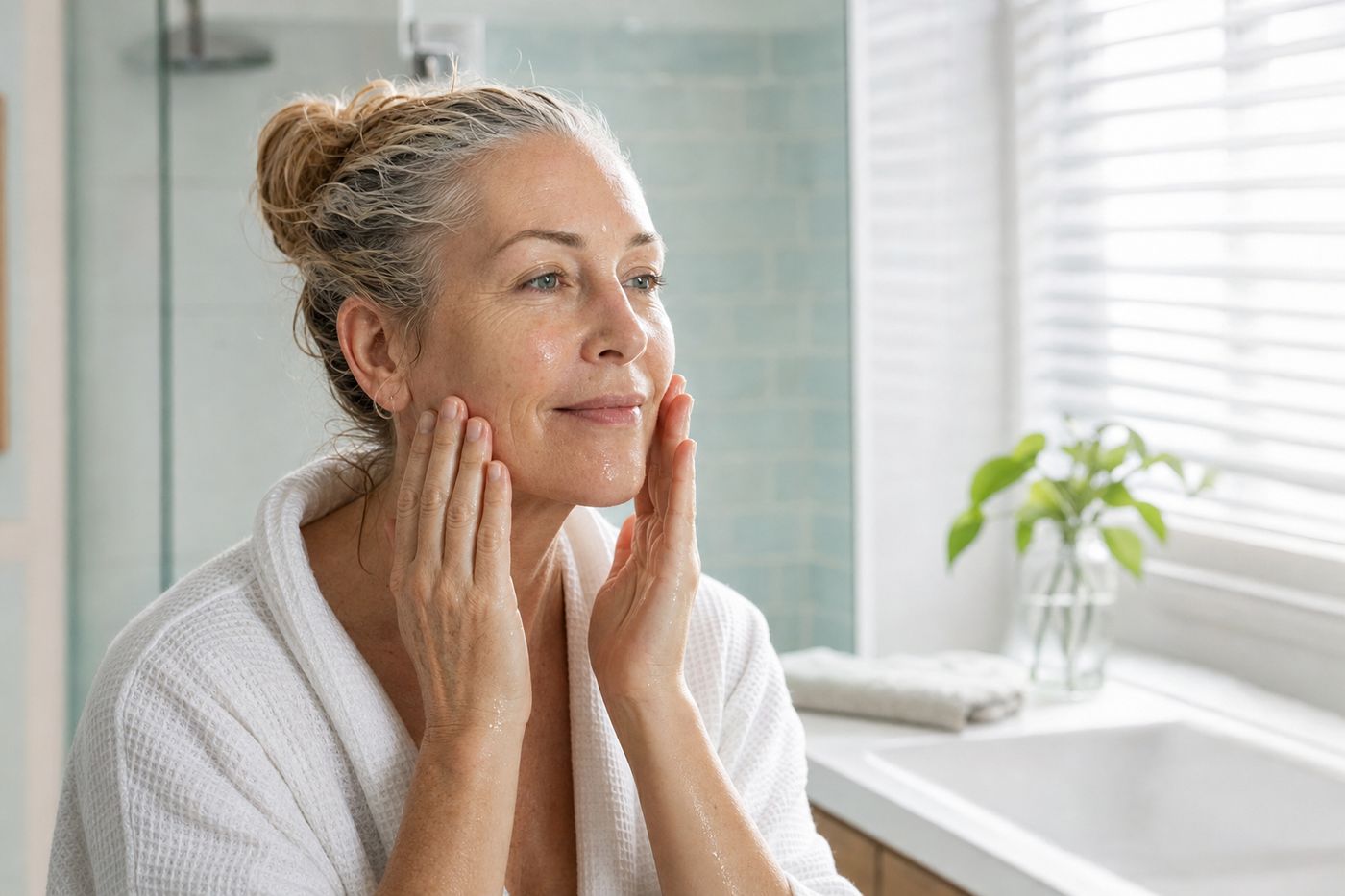
- Apply to damp skin, then seal it in with moisturiser.
- It hydrates, it doesn't moisturise: you still need a cream on top.
- Gentle: fine for sensitive skin and in pregnancy.
- Morning or evening, or both.
What it does
Hyaluronic acid is a substance your skin already makes. In a serum it acts like a sponge, drawing water into the top layers of the skin, so fine dehydration lines look softer and skin feels more comfortable. The effect is immediate but temporary, so it works best used every day.
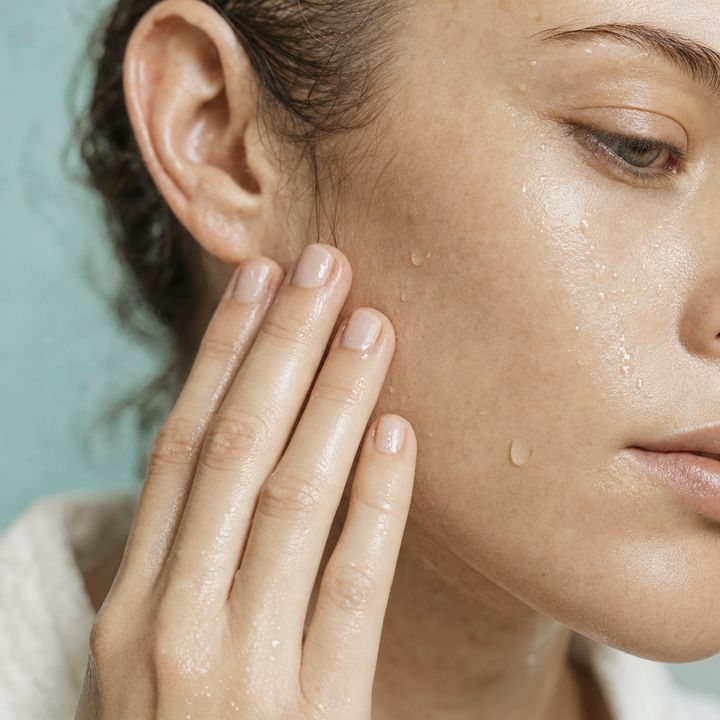
Dry or dehydrated?
Dry skin is short of oil: it feels tight and rough most of the time. Dehydrated skin is short of water: it can be oily and still feel tight, look dull, or show fine lines that come and go. Hyaluronic acid helps dehydration; dry skin also needs a richer moisturiser to replace the missing oils.
A simple, low-cost hydrating serum.
How: a few drops on damp skin, then moisturiser.
A step-up serum with soothing vitamin B5.
How: morning and evening on damp skin.
A rich moisturiser with ceramides to seal hydration in.
How: straight after your serum.
How to use it
- Cleanse, and leave your face slightly damp (or mist it with water).
- Press a few drops of hyaluronic acid serum into the skin.
- Seal it in with moisturiser straight away.
- Morning: finish with SPF.
If your skin feels tighter after using it, you're probably applying it to dry skin in a dry, heated room, or skipping the moisturiser on top.
Questions people ask
Should hyaluronic acid go on wet or dry skin?
Damp skin, followed straight away by moisturiser to seal the water in.
Is hyaluronic acid safe in pregnancy?
It's generally considered gentle and suitable, but check with your midwife or pharmacist if you're unsure.
Do I still need a moisturiser?
Yes. Hyaluronic acid adds water; a moisturiser stops it evaporating and adds oils dry skin lacks.
Sources and further reading
Not sure what your skin needs?
Six quick questions, and you get a morning and evening routine for your skin type, goals and budget.
Take the free 2-minute assessmentAbout Spotlight On Skincare: an independent UK skincare advice site. Our guides are researched from NHS and published evidence, written in plain English, and checked for safety warnings. We are not doctors. This guide is general information, not medical advice. If you have a skin condition, are pregnant or breastfeeding, or something isn't improving, speak to a pharmacist, your GP or a dermatologist.