Adult acne: a simple routine that works, and when to see your GP
Spots don't always stop after your teens. Adult acne is common, often around the chin and jaw, and it usually responds to a simple, consistent routine. If it doesn't, your GP has effective treatments.
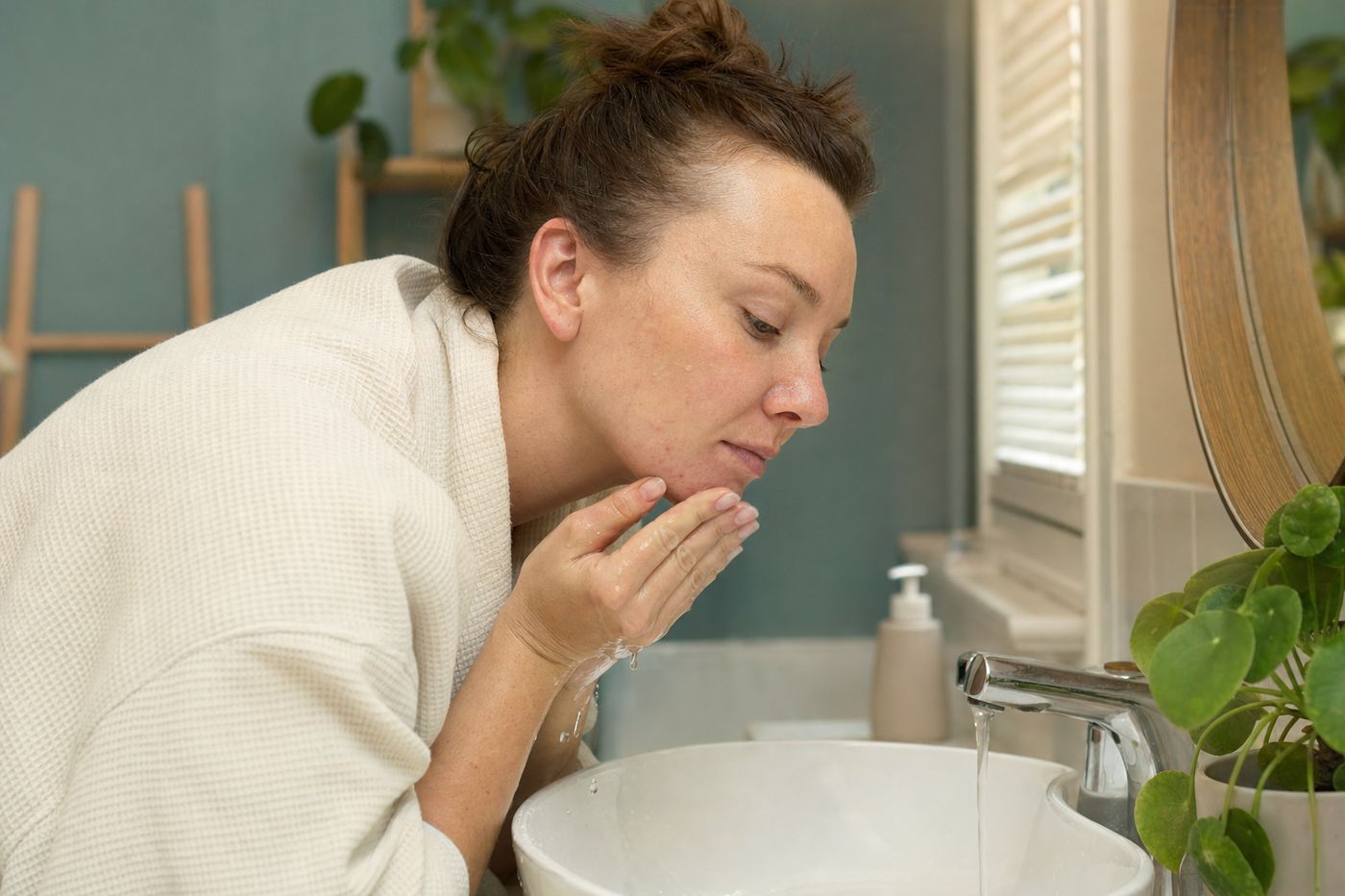
- Keep it simple: gentle cleanser, one active ingredient, moisturiser, SPF.
- Good evidence: salicylic acid, benzoyl peroxide, azelaic acid and retinoids.
- Give it 8 to 12 weeks before judging a product.
- See your GP if spots are painful, leaving scars, or affecting how you feel.
Why it happens
Acne starts when pores get blocked with oil and dead skin and become inflamed. In adults, hormones often play a part, which is why breakouts often cluster around the chin and jaw and can flare before a period. Stress, heavy skincare or make-up, and some medicines can also contribute.
A simple routine
Morning: gentle cleanser, light moisturiser, SPF 30+.
Evening: cleanser, your one active ingredient, moisturiser.
A gentle foaming wash for oily, spot-prone skin.
How: morning and evening.
A BHA that unclogs pores, good for blackheads.
How: two or three evenings a week to start.
A moisturiser designed for spot-prone skin.
How: morning and evening.
The ingredients with good evidence
- Salicylic acid: unclogs pores; see AHA and BHA acids.
- Benzoyl peroxide: available from pharmacies; reduces the bacteria involved. It can bleach towels and pillowcases.
- Azelaic acid: gentle, also helps redness and dark marks; see azelaic acid.
- Retinoids: keep pores clear and help marks fade; see retinol for beginners. Not in pregnancy.
Use one active at a time to start. Combining several at once is the usual reason for red, peeling skin.
Habits that help
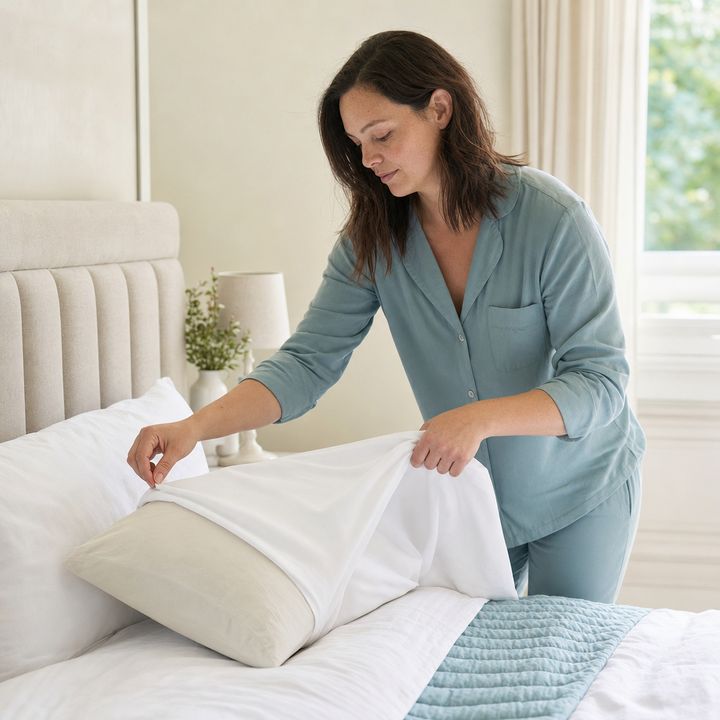
- Change pillowcases a couple of times a week.
- Don't squeeze or pick: it makes marks and scars more likely.
- Choose non-comedogenic make-up and take it off every night; see makeup that won't clog pores.
Questions people ask
Why am I getting acne in my 30s?
Hormones, stress, heavy skincare or make-up and some medicines can all play a part. It's common.
How long before acne treatment works?
Give any product 8 to 12 weeks before deciding whether it's working.
When should I see a GP about acne?
If spots are painful, scarring, not improving after a few months of over-the-counter treatment, or affecting your mood.
Sources and further reading
Not sure what your skin needs?
Six quick questions, and you get a morning and evening routine for your skin type, goals and budget.
Take the free 2-minute assessmentAbout Spotlight On Skincare: an independent UK skincare advice site. Our guides are researched from NHS and published evidence, written in plain English, and checked for safety warnings. We are not doctors. This guide is general information, not medical advice. If you have a skin condition, are pregnant or breastfeeding, or something isn't improving, speak to a pharmacist, your GP or a dermatologist.